
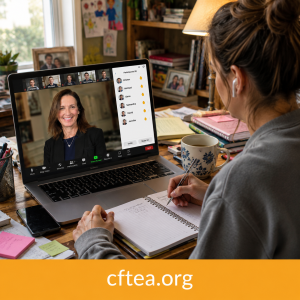
 Most professionals don’t decide to stop learning — it gradually happens over time. Work gets busy, responsibilities grow, families expand, and professional development slips further down on the priority list.
As learning becomes less intentional, it’s easy to become comfortable in your role. Daily responsibilities become familiar, previously solved problems become routine, and experience slowly replaces curiosity. Or maybe you’re even waiting for your manager to bring up learning opportunities, but this conversation never happens.
Today’s workplace is changing faster than ever. The professionals who continue growing aren’t necessarily the smartest people in the room, but they’re the ones who keep building their skills long after they’ve become good at their jobs.
Why “Good Enough” Can Become a Career Trap
Researcher Anders Ericsson, whose work on expertise has influenced industries from medicine to athletics, described a concept called premature automation. It happens when professionals reach a level of competence and stop intentionally improving. Instead of continuing to develop new skills, they begin relying on routine and experience alone.
This doesn’t mean they perform poorly. Usually, they’re very good at what they do. The challenge is that the workplace doesn’t stand still over time. New technology, changing regulations, evolving customer expectations, and shifting business priorities continually reshape what success looks like.
Experience is valuable, but experience alone isn’t enough. Without continued learning, even experienced professionals can find their skills falling behind a changing workplace.
Why Lifelong Learning Matters More Than Ever
Today’s professionals face a different career landscape than previous generations.
Research suggests the half-life of many technical skills is now less than three years, meaning the knowledge professionals rely on today may quickly become outdated. The World Economic Forum also estimates that nearly 60% of workers will require additional training or reskilling before the end of the decade.
Employers recognize this shift as well. Microsoft’s 2025 Work Trend Index found that nearly half of business leaders rank upskilling their workforce among their highest priorities. In other words, continuous learning is no longer simply a personal goal; it’s becoming a business expectation.
What Lifelong Learners Do Differently
One of the biggest differences between professionals who continue advancing and those who plateau isn’t their talent; it’s their mindset.
Psychologist Carol Dweck’s research on growth mindset found that people who believe abilities can be developed are more likely to seek challenges, embrace feedback, and continue learning throughout their careers. High performers also tend to treat learning differently.
Between work responsibilities, family commitments, and everyday life, finding the time to learn isn’t always easy. However, research on high performers shows they don’t wait until they have the extra time. They intentionally schedule learning the same way they would an important meeting. Rather than trying to learn everything, they focus on developing a few skills that will have the greatest impact on their careers.
Small Investments Can Lead to Big Career Growth
Of course, just taking one course probably won’t completely transform your career overnight, but it could be the catalyst that changes your career’s direction.
Two studies involving accounting and finance professionals found that individuals with a stronger lifelong learning mindset experienced greater career success, including higher job performance, stronger engagement, increased confidence, and more opportunities for advancement.
That’s because learning creates momentum. A course introduces new ideas. New ideas build confidence. Confidence encourages professionals to take on new responsibilities, pursue leadership opportunities, and step out of their comfort zones.
Keep Building Your Skills with CFTEA
At CFTEA, we believe professional development is one of the best investments you can make in yourself and your career.
Whether you’re looking to sharpen a single skill through an individual course, earn a certificate, complete a diploma, or follow a structured career path, CFTEA offers flexible learning opportunities designed to support professionals at every stage of their careers.
You don’t need to know exactly where your career will take you next; you need an open mind and curiosity to learn.
Your Next Step Starts Today
The professionals who stay relevant aren’t the ones who know everything; they’re the ones who never stop learning. If you’ve reached a point where your job feels familiar, consider it an opportunity, not a finish line. One course. One new skill. One intentional step forward. That’s often how meaningful career growth begins.
Explore CFTEA’s professional development courses, certificates, certifications, and diplomas to discover how one investment in yourself today can create opportunities for years to come.