
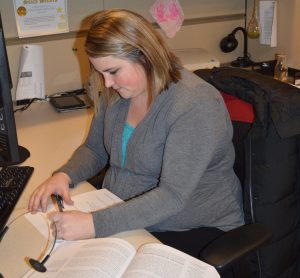
 Most people think career growth requires a new degree, a promotion, or a major life change. But oftentimes, it starts with a small step, like taking a course to learn a new skill.
A single class may not seem significant at first. It won’t instantly transform your career or guarantee a promotion. But it can give you knowledge, strengthen your confidence, expand your network, or help you see opportunities you hadn’t considered before.
Today, as industries evolve and employers place greater emphasis on skills and adaptability, professional development is one of the most valuable investments you can make in yourself.
The Shift Toward Skills-Based Hiring
For decades, college degrees were often seen as the primary pathway to career advancement. While formal education absolutely remains relevant, employers are focusing more on the skills candidates bring to the table.
According to SHRM, recruiters are 50% more likely to search for candidates by skills rather than years of experience. Similarly, a survey from LinkedIn shows that 85% of employers now use some form of skills-based hiring.
However, the shift is a little more nuanced than many headlines suggest.
A 2025 study from Harvard Business School found that while many employers have dropped degree requirements from job postings, actual hiring practices have been slower to change. Researchers found that fewer than 1 in 700 new hires benefited from these no-degree reforms, highlighting the gap between policy and practice.
So, what does that mean for professionals looking to advance their careers?
Well, degrees still matter, but employers are looking beyond credentials alone. They want evidence that candidates can perform the work, learn new skills, adapt to change, and contribute to organizational success.
That’s where professional development makes a difference. Continuing education and specialized training allow professionals to demonstrate both knowledge and initiative while building skills that remain relevant in a rapidly changing workplace.
As workplace expectations continue to evolve, learning has become less about checking a box and more about staying prepared for what’s next.
Why Small Learning Matters
Professional development does more than build knowledge. It builds momentum.
Research from Coursera’s 2025 Micro-Credentials Impact Report found that 83% of learners said earning a credential gave them greater confidence to adapt to new roles and responsibilities. Many also reported improved productivity, promotions, and salary increases.
This is one reason learning can be so transformative. It creates momentum.
One class leads to a new skill…a new skill leads to greater confidence…confidence leads to new opportunities…those opportunities lead to career growth.
Many professionals discover that the biggest impact of learning isn’t the credential they earn. It’s the mindset they develop along the way. Learning helps you recognize your potential, build self-confidence, and see yourself as capable of taking on new challenges.
What Certificates, Certifications, and Diplomas Really Do
Not every learning journey looks the same — and that’s totally okay.
Different educational opportunities serve different purposes depending on your goals, experience level, and career aspirations.
For some professionals, a single course provides the exact skill they need to solve a problem, improve performance, or prepare for a new responsibility. Others may pursue a certificate program to build expertise in a specific subject area and demonstrate their commitment to professional growth.
Professional certifications validate specialized knowledge and showcase proficiency in a particular field. Diploma programs offer a broader, more structured learning experience that helps individuals build a strong foundation across multiple areas of knowledge.
The important thing to remember is that there is no single right path. Professional growth isn’t one-size-fits-all. The best learning opportunity is the one that helps you take your next step.
How CFTEA Supports Lifelong Learning
At CFTEA, we believe professional development should be practical, flexible, and connected to real career outcomes.
That’s why we offer a variety of learning opportunities designed to meet professionals wherever they are in their careers. Whether you’re looking to take a single course, earn a certificate, pursue an industry certification, complete a diploma program, or follow a structured career path, CFTEA provides options that support both immediate skill development and long-term growth.
Our professional development opportunities span topics including leadership, compliance, lending, technology, risk management, business skills, and other areas critical to success in today’s workplace. With flexible learning formats, professionals can continue developing their skills while balancing work and personal commitments.
As CFTEA Executive Director Andrew Lederer shares in the podcast episode, The Power Behind the First Step, career growth doesn’t always begin with a major decision. Sometimes it starts with a single course that introduces a new idea, builds confidence, or opens the door to an opportunity you hadn’t considered before.
Many people hesitate to enroll in a course because they aren’t sure where it will lead. The reality is that most careers aren’t built through perfect planning. They’re built through continuous learning and a willingness to step out of their comfort zone.
The Next Step in Your Career Starts Here
Whether you’re exploring a new skill, pursuing a certificate, earning a diploma, or mapping out a long-term career pathway, CFTEA offers flexible professional development opportunities designed to help you grow.
Contact us today to learn how one course could help shape what’s next in your career.